Digitization is the process of converting information from physical formats, such as paper documents or manual processes, into digital formats where data is structured as bits and bytes.
It is similar to scanning a photo or converting a paper report into a PDF file. The original data remains unchanged — it is simply encoded into a digital format for easier storage, access, and processing.
Digital Process
Digitalization is the use of digitized data to simplify and improve business processes and operations.
It involves leveraging digital technologies to streamline workflows, enhance efficiency, and optimize how a business operates.
What is Digital Transformation?
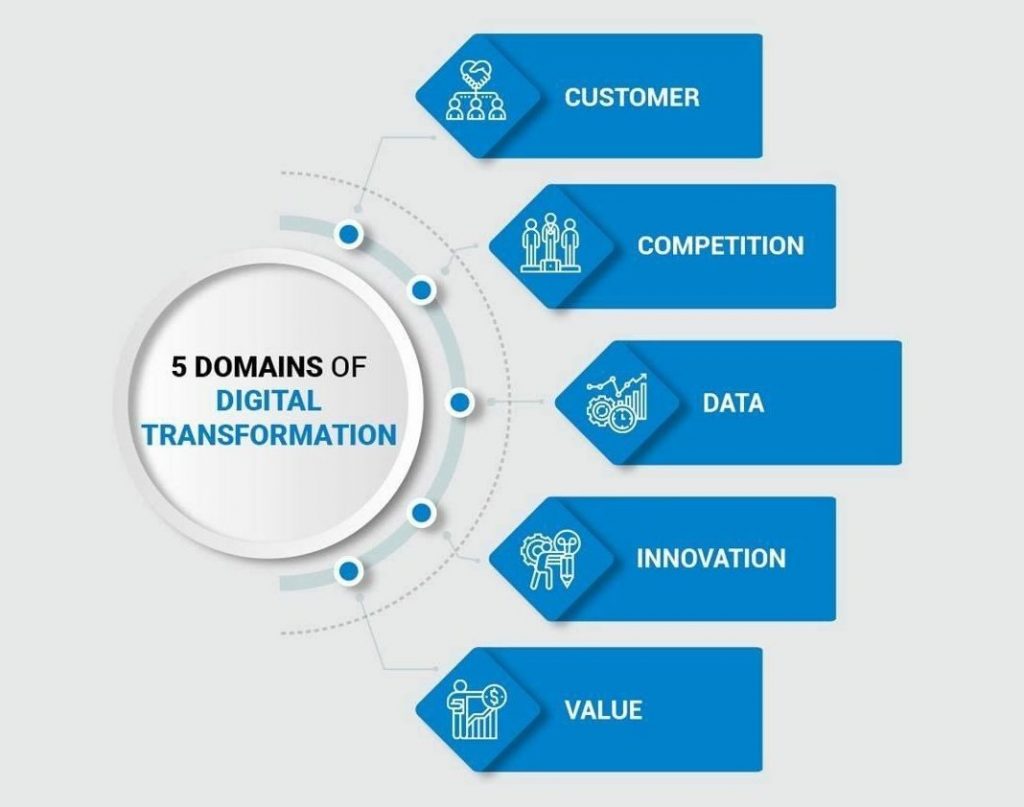
Digital Transformation is the process of applying digital technologies across all areas of a business to fundamentally change how it operates, delivers value, and engages with customers.
It enables organizations to improve efficiency, create new business opportunities, and optimize performance, ultimately driving revenue growth and expanding customer and partner networks.
In other words, Digital Transformation involves rethinking and restructuring traditional business models by leveraging modern technologies such as Big Data, Cloud Computing, and Artificial Intelligence (AI).
These technologies help businesses analyze and transform data into actionable insights, unlock new value, enhance productivity, and deliver better experiences for customers.
Benefits of Digital Transformation for Businesses
Digital transformation makes it easier for businesses to reach and engage with customers, enabling them to expand their customer base and scale more effectively.
It also helps organizations better understand customer needs and behaviors. With these insights, businesses can continuously improve their products and services, delivering greater value and enhancing customer satisfaction.
In addition, digital transformation allows companies to collect and leverage large volumes of data. This supports more accurate analysis and decision-making, improves productivity, reduces operational costs, and maximizes overall profitability.
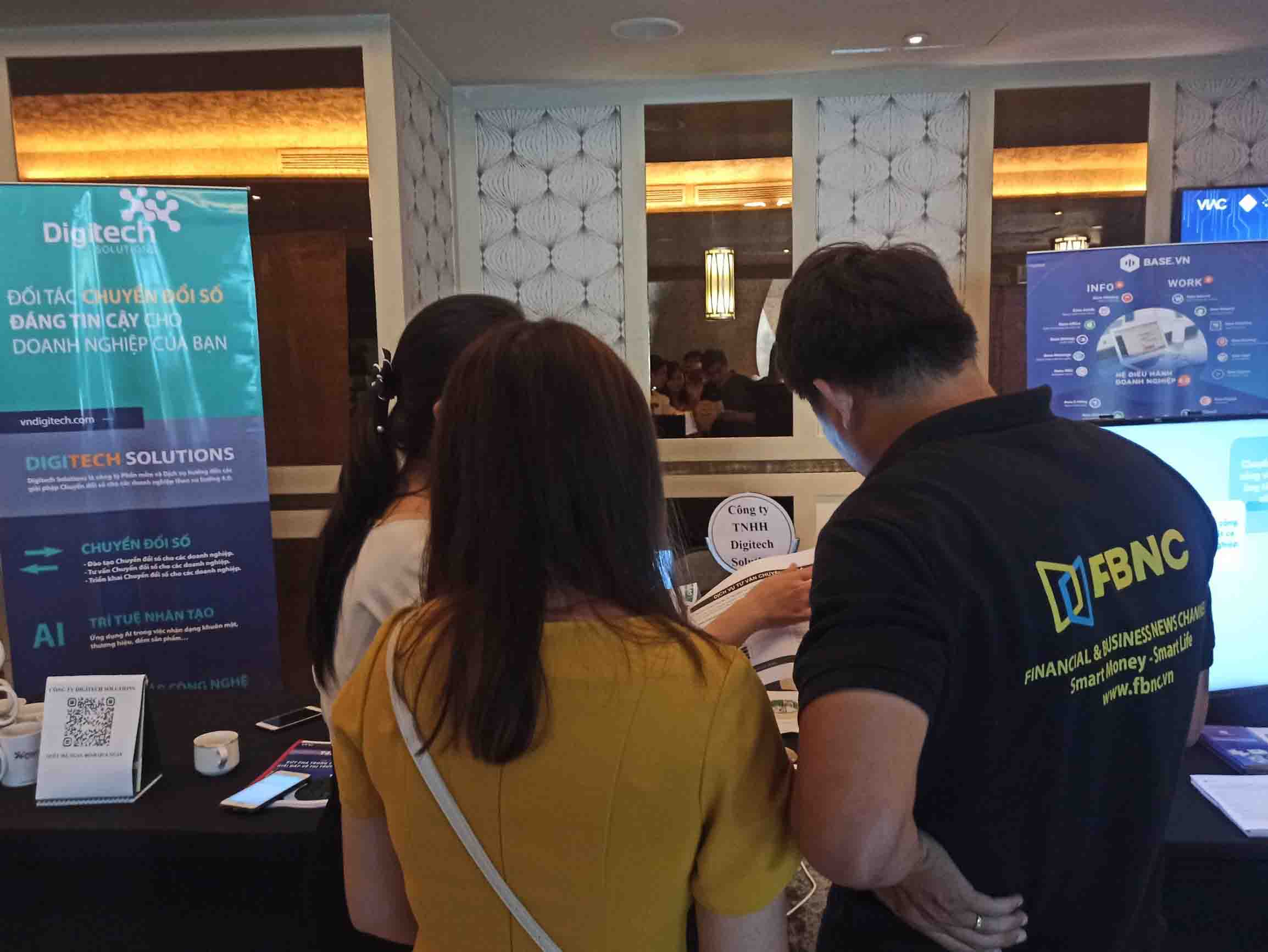
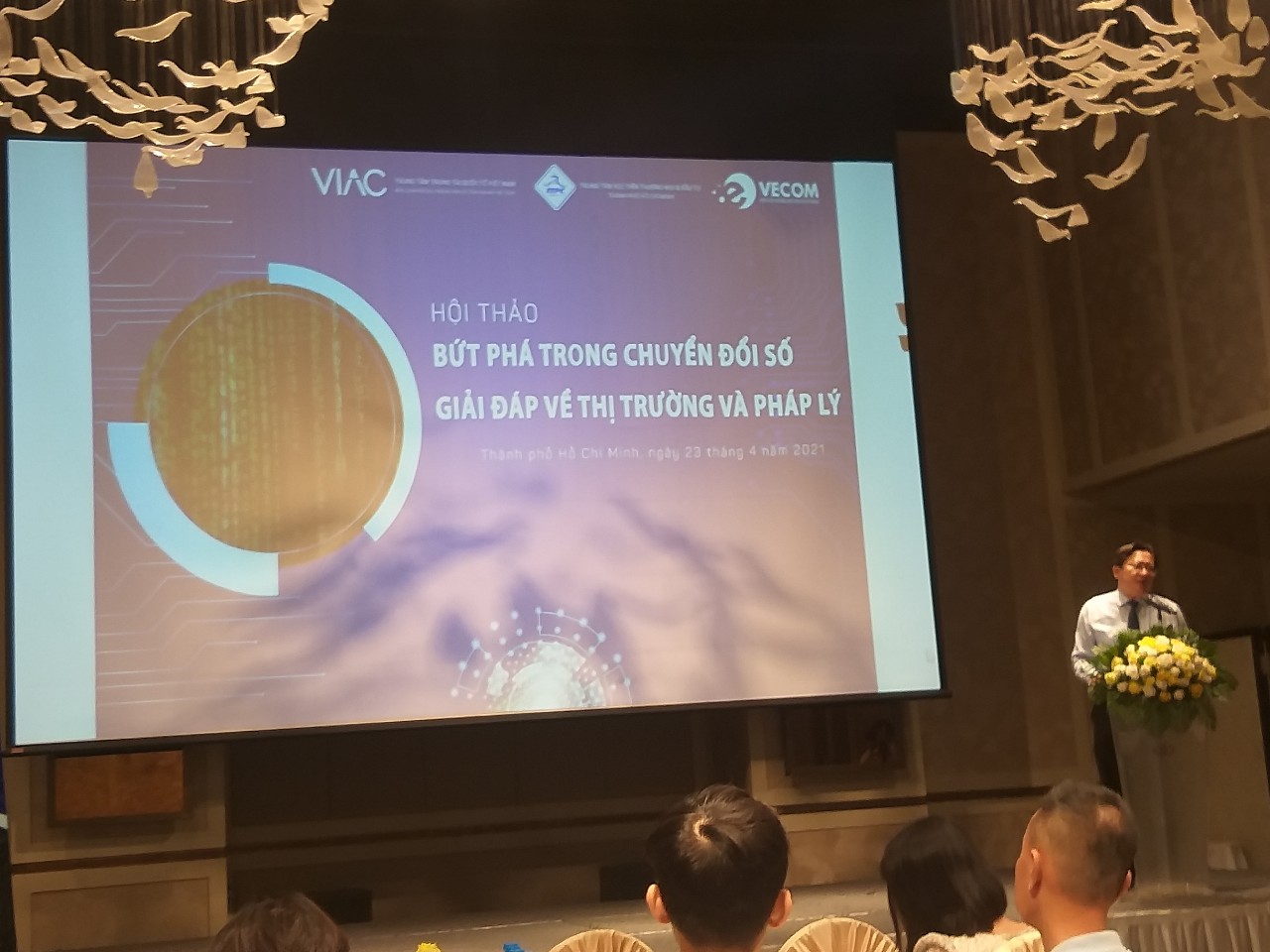
Digitech Solutions Company exhibits at Capacity Development of Digital Transformation for businesses Seminor
Digitech Solutions Company exhibits at
Digital Transformation Breakthrough Workshop
Digitech Solutions Company exhibits at Digital Transformation events
Frequently Asked Questions (FAQs)
How to implement Digital Transformation?
Digital transformation requires the integration of three key elements: People, Processes, and Technology. Businesses need to align their teams, redesign workflows, and adopt the right technologies to ensure successful implementation.
Why should businesses adopt Digital Transformation?
Keep up with the inevitable trend of Industry 4.0
Unlock new business opportunities and innovation
Create intangible value and long-term growth
Gain competitive advantage through differentiation
Solve operational challenges such as resource optimization and customer acquisition
What is the difference between IT adoption and Digital Transformation?
Digital transformation is the next stage beyond traditional IT adoption.
IT adoption focuses on using software and systems to support existing processes (e.g., creating reports).
Digital transformation eliminates manual processes by enabling real-time data access, allowing stakeholders to retrieve and analyze information directly from integrated systems.
How to ensure a successful Digital Transformation?
Businesses should:
Build a clear digital transformation strategy
Redefine processes and business models
Adopt digital technologies to transform operations
Train employees with the necessary digital skills and mindset
Which industries should apply Digital Transformation?
Digital transformation applies to all industries, from business and manufacturing to services and public sectors. Organizations must adopt digital transformation to stay competitive in the modern economy.
How to measure the effectiveness of Digital Transformation?
Businesses should evaluate both tangible and intangible value, including:
Labor and operational cost savings
Productivity improvements
New value created through digital initiatives
If the value generated exceeds the investment cost, the transformation is considered effective. Digital transformation should be seen as a value driver, not just an expense.
What are the benefits of working with Digitech Solutions?
Identify key business challenges and opportunities
Receive tailored digital strategy and technology solutions
End-to-end implementation, auditing, and project management for IT and digital transformation initiatives