

Introduction
AI is no longer a future concept. It is already reshaping how businesses operate, especially in marketing. However, not every company should immediately invest in AI Automation Marketing without understanding whether it truly fits their current stage and needs. Many businesses adopt AI too early, too late, or in the wrong way, leading to wasted resources and low effectiveness. The key is not just using AI, but knowing when and where it creates real impact.
What Is AI Automation Marketing
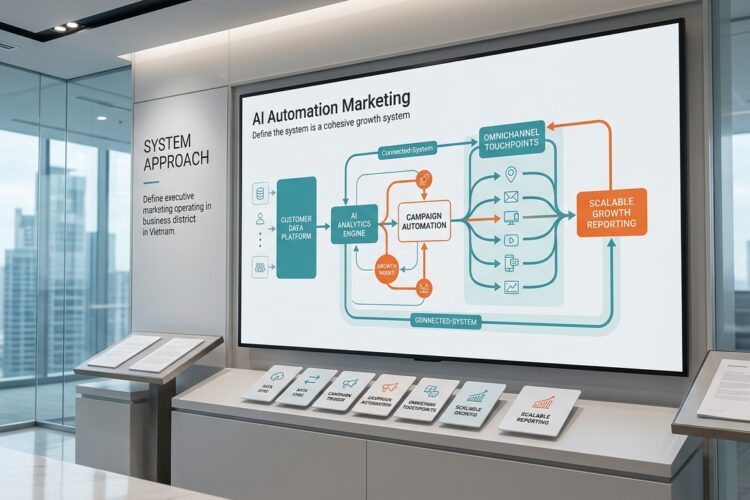
AI Automation Marketing is the integration of artificial intelligence and automation systems to manage, execute, and optimize marketing activities. Instead of manually handling campaigns, businesses can use AI to analyze customer data, personalize content, automate execution, and continuously optimize performance. The goal is to build a scalable and data-driven marketing system.
Signs Your Business Should Start Using AI Automation Marketing
You Have a Growing Customer Base
When your customer base increases, manual marketing becomes difficult to manage.
- Too many leads to follow up
- Hard to personalize communication
- Increasing workload for teams
AI helps automate and personalize interactions at scale.
You Are Running Multiple Marketing Channels
Managing multiple channels manually often leads to inefficiency.
- Campaigns are disconnected
- Data is scattered
- Performance is difficult to track
AI helps unify data and automate cross-channel execution.
You Have Data but Are Not Using It Effectively
Many businesses collect data but do not leverage it properly.
- Data exists but is not analyzed
- No clear segmentation
- No predictive insights
AI transforms data into actionable insights.
Your Team Spends Too Much Time on Repetitive Tasks
If your team is doing repetitive work like sending messages, scheduling posts, or reporting, automation is necessary.
- Reduce manual workload
- Improve productivity
- Free up time for strategy
You Want to Scale Without Increasing Headcount
AI allows businesses to grow without proportional increases in cost.
- Run more campaigns with the same team
- Maintain consistency
- Increase efficiency
Which Businesses Benefit the Most
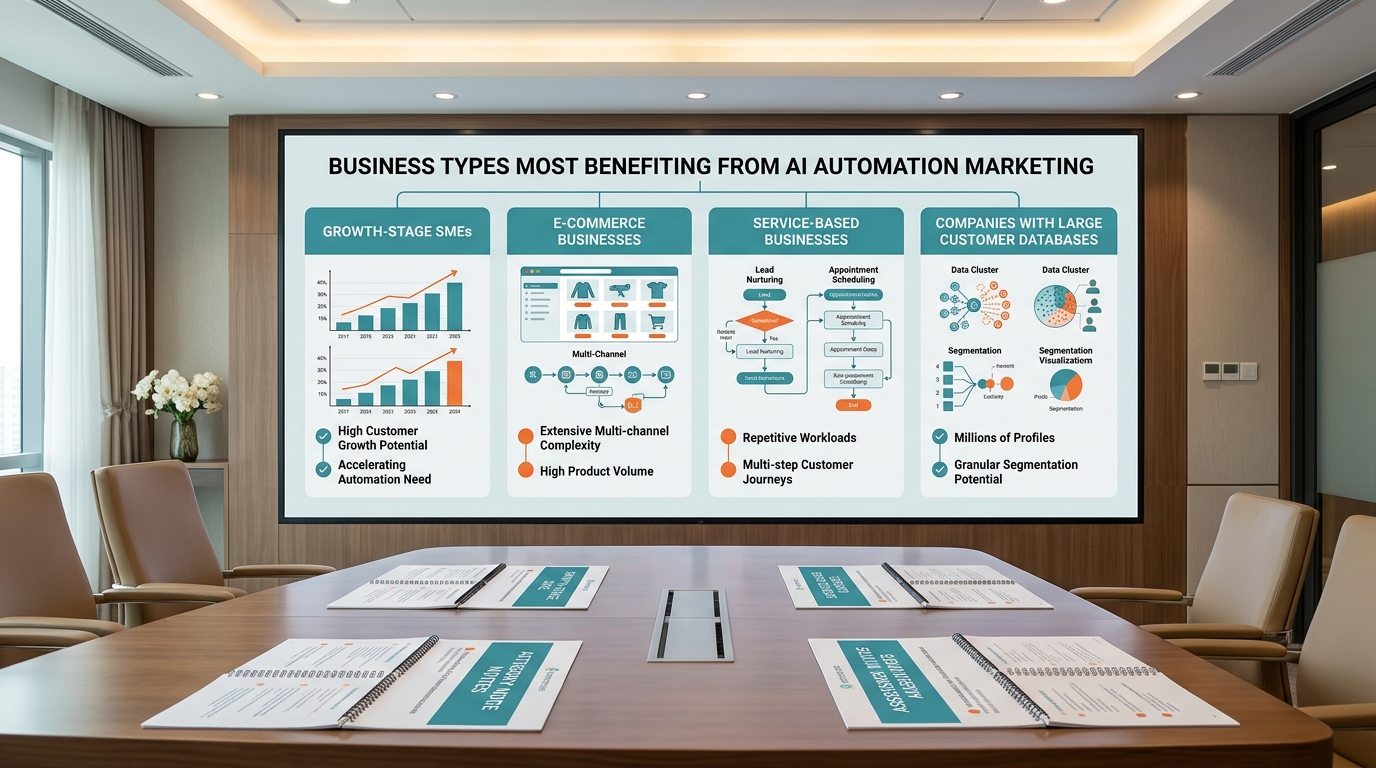
SMEs in Growth Stage
Growing businesses often lack resources but need to scale quickly.
- Limited team
- Increasing marketing demand
- Need for efficiency
AI helps scale without increasing cost significantly.
E-commerce Businesses
E-commerce businesses rely heavily on data and automation.
- Product recommendations
- Retargeting
- Customer segmentation
AI improves conversion rates and customer experience.
Service-Based Businesses
Businesses in education, consulting, healthcare, and similar fields benefit from AI.
- Lead nurturing
- Customer journey automation
- Personalized communication
AI helps increase conversion and customer engagement.
Businesses with Large Customer Databases
Companies with existing customer data can unlock strong value.
- Re-engagement campaigns
- Upsell and cross-sell
- Customer retention
When Your Business Is Not Ready
AI should not be applied blindly. Some businesses are not ready yet.
- No clear marketing strategy
- Very small customer base
- No data collection system
- Unclear business model
In these cases, focus on fundamentals first.
How to Start with AI Automation Marketing
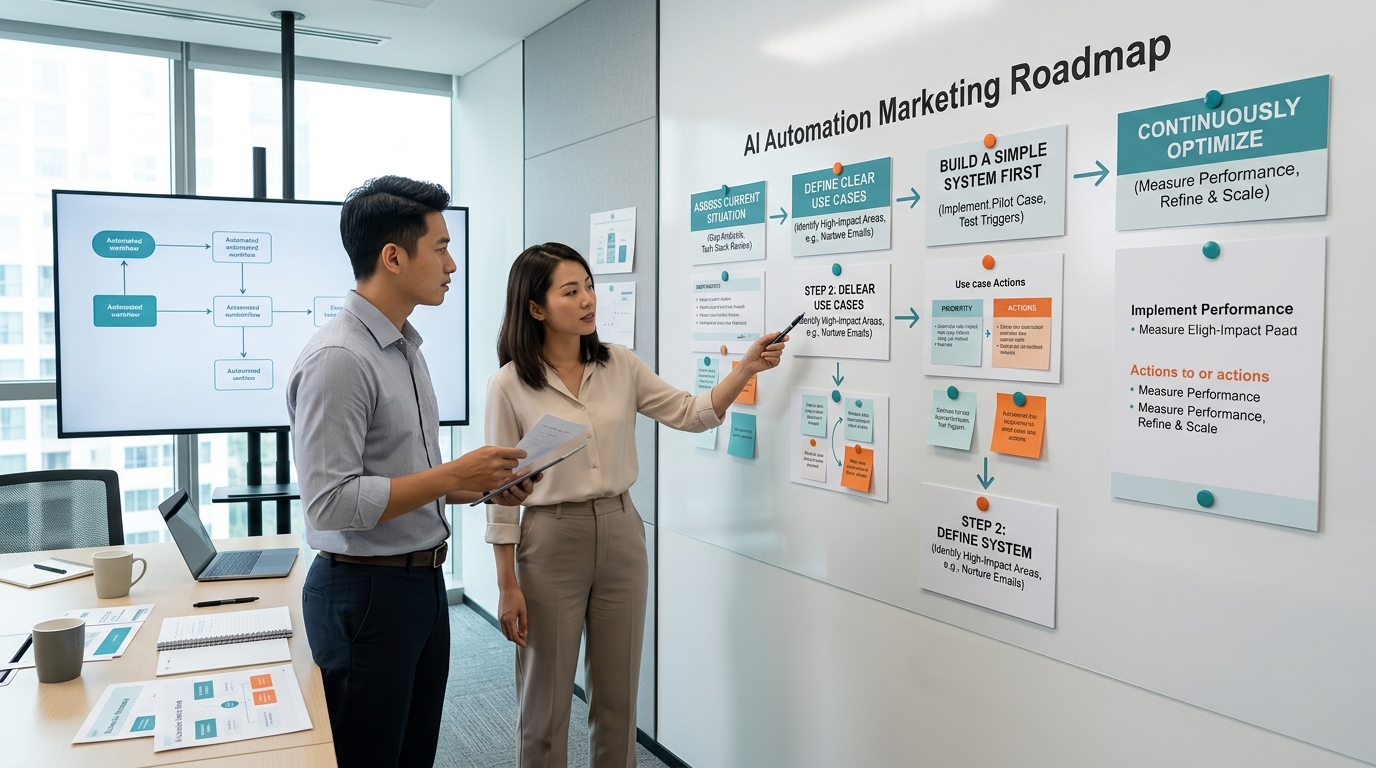
Step 1 Assess Current Situation
Understand your current data, processes, and bottlenecks.
Step 2 Define Clear Use Cases
Start with high-impact areas like lead nurturing or campaign automation.
Step 3 Build a Simple System First
Do not overcomplicate at the beginning.
- Start small
- Test and measure
- Scale gradually
Step 4 Continuously Optimize
AI improves over time.
- Monitor performance
- Adjust workflows
- Optimize based on data
Conclusion
AI Automation Marketing is not for every business at every stage. The key is to understand your readiness and apply AI strategically. Businesses that implement AI at the right time and in the right way will improve efficiency, enhance customer experience, and scale faster with fewer resources. AI is not just a tool, it is a system that drives sustainable growth.